
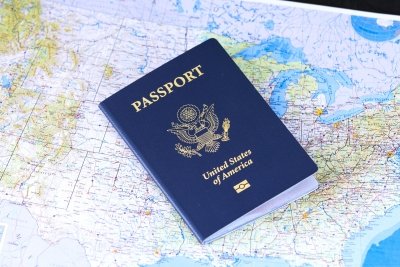
Washington, Dec 20 (IANS) US Secretary of State Marco Rubio mounted a vigorous defence of the Trump administration’s tightening of visa and refugee policies, saying the United States has an obligation to know “who you are, why you’re coming, and what you’ve done in the past,” remarks that are likely to resonate deeply across India’s vast student and skilled-worker communities.
At a wide-ranging news conference, Rubio said the administration has revoked or denied tens of thousands of visas over the past year, stressing that visas are a privilege, not a right, and must align with US national security interests.
“Our visa system… should reflect the national interest,” Rubio said, adding that the law gives the US government “the right, and in fact the obligation” to revoke visas when individuals engage in activities that run counter to American interests.
Rubio said more than 60,000 to 70,000 visas have been revoked or denied “for different and a variety of reasons,” including cases involving people already inside the United States as well as applicants seeking reentry. He said some of those affected were students, while others were researchers or visitors.
“If you have the power to deny someone a visa before they get one, you most certainly have the power to revoke it once they get one and then do something they shouldn’t be doing,” he said.
The secretary pointedly rejected suggestions that the policy is punitive, arguing that visa revocations are driven by security and legal concerns, not politics.
“Who you allow to visit your country should reflect the national interest,” Rubio said. “A visa is a visitor. It’s not a right.”
Rubio also defended the administration’s decision to halt or limit refugee admissions, including for religious minorities, citing what he described as years of inadequate vetting that allowed millions to enter the US.
“We know for a fact there are people in this country who got in through some form of vetting that was wholly insufficient,” he said, adding that in some cases, applicants came from places where reliable records did not exist.
He said the US remains “the most generous country in the world” when it comes to legal immigration, noting that nearly a million people will receive green cards this year. Still, he warned that the era of what he called “reckless migratory incompetence” is over.
“There is a desire in our country to put a stop to that until we can fix the processes,” Rubio said.
Addressing visa backlogs for foreign religious workers, including priests, Rubio said the administration is preparing changes and expects to make an announcement “early next month,” after consultations with religious authorities.
On student and diversity-based visa programs, Rubio said recent suspensions were meant to examine whether vetting systems had systemic flaws.
“You suspend the program to figure out whether something… should have been a red flag but wasn’t identified,” he said.
Rubio’s remarks come amid growing anxiety among Indian students and professionals, who form one of the largest groups of US visa holders, particularly in higher education and skilled employment categories.
His emphasis on revocation authority and post-entry scrutiny underscores a shift toward stricter enforcement that could affect not only new applicants but those already living in the US. Rubio insisted the approach is consistent with sovereignty and global norms.
“We have a right, like every sovereign country does, to know who you are,” Rubio said, adding that many countries maintain immigration policies “far more restrictive” than those of the United States.
The comments reinforce the Trump administration’s broader message that immigration and visas will be governed first and foremost by national interest, security screening, and enforcement. This stance is likely to spark intense debate in India, where US education, work visas, and permanent residency remain deeply aspirational.
–IANS
lkj/rs