
New Delhi, Aug 3 (IANS) Amidst Pakistan’s internal challenges, including political polarisation and economic crisis that are weakening institutions, and unrest in its provinces exposing the failures of centralisation, the shadow of 1971 looms large. Ignoring regional voices, analysts warn, could lead to another irreversible loss.
The choice before its rulers today is clear: either repeat history’s mistakes or chart a new course of dialogue, inclusion and reform. The stakes are nothing less than the survival of the nation itself.
Pakistan’s political-military establishment, historically prone to heavy-handed responses, risks repeating mistakes that broke the nation in 1971, when East Pakistan seceded to form Bangladesh. The echoes of that tragedy are unmistakable.
The most visible crisis today stems from political polarisation. Pakistan’s political canvas has become a battlefield where parties weaponise institutions against each other. The judiciary, Parliament and even the Election Commission are accused of bias, eroding trust in governance and propping the military as the ultimate arbiter – a role it has historically embraced but which has often deepened divisions.
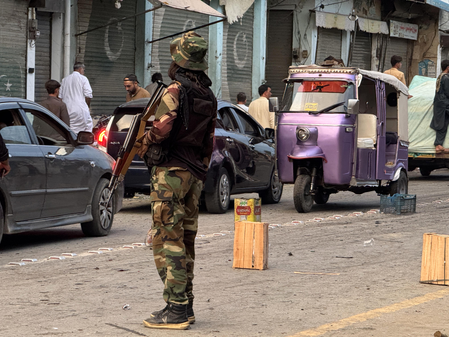
Decisions are made through a security lens, whether deploying troops in Balochistan or curbing dissent in urban centres, alienating provinces that see the military as both an occupying force and an economic competitor. Military interference in economic and diplomatic ventures is creating more trouble than solutions, widening the disconnect between urban and rural constituencies, elites and marginalised groups, and provinces and the centre.
Unrest in Balochistan and Khyber Pakhtunkhwa has intensified. Balochistan, Pakistan’s largest province by area but least developed, has long complained of exploitation. Its natural resources enrich federal coffers, yet its people remain impoverished. Complaints are often met with military operations, alienating civilians and fuelling resentment.
In Khyber Pakhtunkhwa, the legacy of militancy and counterinsurgency has left scars. Renaming the North-West Frontier Province has not changed realities for the Pashtun community. Integration into mainstream politics remains incomplete, and the perception of being a buffer zone persists.
Meanwhile, Pakistan-occupied Jammu and Kashmir (PoJK) remains gripped by protests, boycotts and allegations of rigged polls, exposing the hollowness of Islamabad’s so-called democratic exercise. Authorities are using force, leading to several deaths in recent days. The ongoing three-phase elections have been widely dismissed as a fig leaf to mask Pakistan’s illegal occupation and systematic repression.
As cries for development rise, a lack of political will and economic squeeze limit the government’s ability to invest in projects that could ease provincial grievances. This reflects economic disparities that fuelled East Pakistan’s resentment. Balochistan, Khyber Pakhtunkhwa and PoJK’s calls for greater control over resources echo East Pakistan’s earlier pleas for recognition.
At that time, political-military decisions in Islamabad dismissed the electoral mandate of the Awami League, which had won a majority. Instead of compromise, the state chose coercion. Military action against Bengali civilians and political leaders inflamed grievances, leading to civil war and eventual independence.
–IANS
jb/dan