

Islamabad, Oct 21 (IANS) Pakistan believed that the Taliban’s return to power in Afghanistan would become strategic leverage in the region. However, it has resulted in recurring security liability for Islamabad as the Taliban is not ready to subordinate its own political authority and security priorities, a report has detailed.
In June, Pakistan carried out airstrikes in Afghanistan, which the Taliban said claimed the lives of 13 civilians and injured 14 others, while Islamabad said it killed 26 militants. Different statements from Pakistan and Afghanistan have become routine, with each country describing the same strikes as either counterterrorism or civilian slaughter. The recent airstrike is just the latest in the conflict that has been building for more than a year between Afghanistan and Pakistan, which in 2021 were allies, a report in Columbia Political Review mentioned.
During the US occupation of Afghanistan, Pakistan provided a safe haven and intelligence support to the Taliban. After the Taliban seized power in Afghanistan, it was assumed that ties between Pakistan and Afghanistan would deepen. However, the assumption was proven wrong as a military confrontation erupted between the two nations, the report highlighted.
Ties between Pakistan and Afghanistan became strained as Tehreek-e-Taliban (TTP) increased attacks in Pakistan and militants of the group operated from safe havens in Afghanistan. In response, Pakistan carried out cross-border strikes and began deportation of undocumented Afghan refugees, further straining ties between the two nations.
“Islamabad assumed that the Taliban’s comeback into power would become strategic leverage in the region, but instead it led to a recurring security liability as the Taliban government was unwilling to subordinate its own political authority and security priorities. Pakistan increasingly viewed Afghanistan as a security threat, and by 2025 the relationship had moved into direct military confrontation,” Anaya Qayyum wrote in Columbia Political Review.
Tensions have erupted between Pakistan and Afghanistan as legitimacy in Afghanistan is historically connected to resisting control of foreign powers and Afghans know and are sensitive to Pakistani influence. Taliban have contended they are independent Islamic nationalists who freed Afghanistan from foreign invaders.
According to the report, Pakistan wants the Taliban to suppress the TTP, a group that shares the same ideology as the Taliban and whose members are connected across arbitrary borders. The Pashtun identity also holds importance as it creates a transnational ethnic bond that supersedes the official border, making the Taliban’s any action on the TTP appear like a betrayal of their own people to please a hostile Pakistani state.
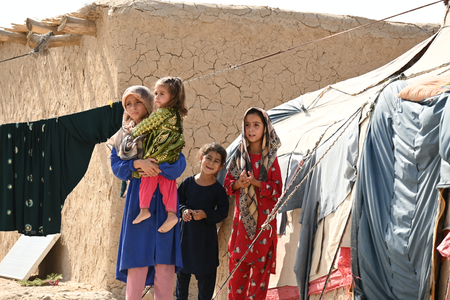
It said that Pakistan is now involved in an active conflict with the regime it once considered a strategic asset, and Afghan people face violence from Pakistan’s airstrikes and the Taliban’s rule, which has stopped girls from attending secondary school and higher education. As the conflict between Pakistan and Afghanistan escalated after October 2025, aid organisations have reduced services in the border areas amid funding shortages, leaving refugees and transiting families with little resources at a time when they need them the most.
In July, the United Nations Assistance Mission in Afghanistan (UNAMA) said that 57 people were killed and 342 others injured in cross-border armed violence in Afghanistan between April 1 and June 30. UNAMA stated that airstrikes and ground engagements were the primary causes of civilian harm. It attributed all cross-border civilian casualties recorded during this period to Pakistani security forces. Apart from airstrikes, Pakistan has also continued to deport Afghan refugees, over 146,000 in 2026 alone.
“Decades of policymaking and attempts to build security have been reduced to a policy measured in deportations and bombs. While Pakistan sought to enhance security, it instead got a war. Pakistan miscalculated the Taliban’s loyalty, but its bigger mistake was assuming that dependence could be converted into control. Once the Taliban had to govern Afghanistan rather than fight to retake it, it did not necessarily need Pakistani direction to retain that power,” Kayyum wrote in Columbia Political Review.
–IANS
akl/as