

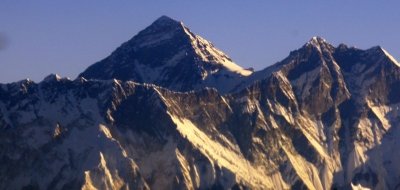
Kathmandu, Oct 27 (IANS) Nepal’s Department of Immigration has suspended the issuance of trekking permits for restricted areas in high-hill and Himalayan regions for October 29–31, citing a high risk of heavy snowfall, snowstorms and avalanches.
The decision follows a warning by the National Disaster Risk Reduction and Management Authority urging tourists to avoid travelling to these areas during the three days.
A special post-monsoon bulletin issued by the Nepal Meteorological Department said earlier that Cyclone Arnab in the Bay of Bengal was gaining strength and was expected to bring heavy rainfall, strong winds and a high risk of snowfall and avalanches across several parts of the Himalayan country.
In a statement, the Department of Immigration, which issues trekking permits to foreign nationals visiting restricted areas, also urged trekkers who had already obtained permits for restricted areas in high-hill and Himalayan regions to suspend their treks during the period to minimise potential risks.
“Those who have already set out on their treks are urged to remain in safe locations,” the statement said.
The immigration authority also urged trekking agencies, trekkers, guides and other stakeholders to comply with the notice.
The disaster management authority separately advised tourists to take precautions, warning that road and air transport services and other aspects of daily life could be disrupted. It urged people to avoid non-essential travel during the period.
“People should avoid staying in high-risk areas, particularly along riverbanks that may be affected by potential flooding,” the authority said, urging the public to regularly monitor weather forecasts and early warnings issued by the authority, the Nepal Meteorological Department and other relevant official agencies.
Such warnings have become a recurring feature in Nepal in recent weeks following the devastating floods of August 26, which were triggered by the formation and subsequent breach of a natural dam after a river was blocked by an avalanche near the Nepal-China border. The disaster killed around 1,500 people, while more than 5,000 remain missing, according to the disaster authority.
The floods also swept away settlements, roads, bridges and power infrastructure. The World Bank estimated the physical damage at around 1.66 billion U.S. dollars.
–IANS
scor/ksk