
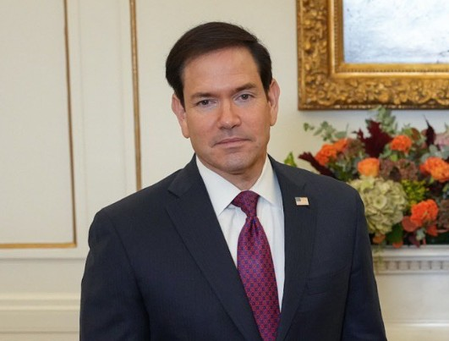
Washington, Oct 8 (IANS) US Secretary of State Marco Rubio has warned that the world cannot afford to remain dependent on energy supplies from a single region, saying disruptions caused by conflicts or hostile governments could threaten the global economy and restrict the ability of countries to pursue independent policies.
At a joint press conference with Greek Foreign Minister Giorgos Gerapetritis in Athens, Rubio said that the United States was committed to developing alternative energy corridors and strengthening partnerships that could protect international energy supplies from geopolitical disruptions.
“We can never be in a situation where if energy is cut off or energy flows are cut off from one part of the world, the whole world is threatened,” Rubio said.
He warned that excessive dependence on particular supply routes could compromise the ability of sovereign nations to act in their own interests.
The remarks came against the backdrop of the conflict involving Iran and continuing concerns about the security of maritime routes, particularly the Strait of Hormuz.
Rubio said recent developments had reinforced the importance of maintaining multiple channels for transporting oil, natural gas and other energy resources.
“I would argue that energy security is tied to national security,” he said.
The Secretary of State pointed to Iran as an example of how regional conflicts could expose vulnerabilities in international energy markets.
He said Washington remained committed to supporting Greece’s efforts to develop energy infrastructure connecting the Mediterranean with European markets.
“So we’re very committed to all of these corridors and to all of these efforts, and Greece is a great partner to do it with,” Rubio said.
Greece has emerged as an important partner in Washington’s efforts to expand American liquefied natural gas exports to Central and Eastern Europe.
Gerapetritis highlighted the Vertical Corridor, an energy transportation network designed to carry American LNG into European markets.
He said energy cooperation between Greece and the United States had reached an unprecedented level.
The Greek minister also pointed to the growing presence of American energy companies in Greece, including exploration for underwater hydrocarbon deposits.
According to Gerapetritis, Greek-owned commercial vessels transport more than 20 per cent of LNG reaching global markets, underscoring the country’s importance to international energy security.
Rubio said Washington intended to expand LNG imports by Greece and support new gas and electricity interconnectors to strengthen regional energy infrastructure.
A reporter asked whether the United States would support major Greek energy projects, including ExxonMobil operations, Chevron exploration south of Crete and proposed electricity connections involving Greece, Egypt, Cyprus and Israel.
Rubio reaffirmed American support but acknowledged that some projects involved sensitive diplomatic questions concerning other countries.
He declined to identify those countries or discuss the complications publicly.
“I know we like to be transparent, but there are things in global affairs that are best not debated at press conferences, but handled at the table of dialogue,” he said.
The discussions also covered maritime security, freedom of navigation and the protection of international supply chains.
Gerapetritis said Greece was prepared to consider maritime assistance in the Strait of Hormuz if circumstances permitted and a viable peace process was in place.
He stressed that secure shipping routes were essential not only for energy supplies but also for international trade and economic stability.
–IANS
lkj/sd/