
Chandigarh, June 2 (IANS) Haryana Chief Minister Nayab Singh Saini on Tuesday directed officers to ensure adequate storage infrastructure for foodgrains to protect produce from damage and minimise post-harvest losses.
As part of this initiative, the state will create 20 lakh metric tons of additional grain storage capacity this year. Officers have been asked to make all necessary preparations to achieve this target.
The Chief Minister issued these directions while chairing a review meeting of the Food, Civil Supplies, and Consumer Affairs Department’s five-year roadmap and action plan under Haryana Vision – 2047.
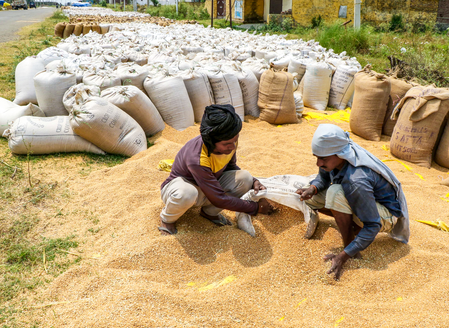
During the meeting, Commissioner and Secretary (Food, Civil Supplies and Consumer Affairs) J. Ganesan informed that due to open storage and inadequate warehousing facilities, nearly four to five per cent of foodgrains produced in the state are lost every year. He emphasised the need to expand covered storage facilities to minimise such losses.
He said Haryana currently produces around 115 lakh metric tons of wheat, 71 lakh metric tons of rice, 110 lakh metric tons of fruits and vegetables, and 115 lakh metric tons of milk and dairy products annually. Haryana contributes nearly 25 per cent to the country’s foodgrain security, yet the state’s existing storage capacity stands at only 66 lakh metric tons, which needs to be expanded to 130 lakh metric tons to meet future requirements.
Taking serious note of post-harvest losses, the Chief Minister directed officers to formulate a comprehensive plan for the construction of covered warehouses, expansion of cold storage infrastructure, and optimum utilisation of available resources.
He instructed all departments to work in close coordination and achieve the target of constructing 20 lakh metric tons of warehousing capacity on a Public-Private Partnership (PPP) mode this year, ensuring that valuable foodgrains are safeguarded from deterioration.
CM Saini further said the state government would implement a long-term strategy over the next five years to strengthen storage facilities for foodgrains, horticulture produce, fruits, and vegetables, thereby ensuring maximum utilisation of agricultural output and minimising wastage.
The Chief Minister also emphasised the integration of renewable energy with warehousing infrastructure. He directed that solar panels be installed on the rooftops of warehouses and connected to the power grid to contribute to electricity generation.
In addition, he called for pilot projects in marketing yards and warehouses to reduce manual handling of grain bags by labourers through the use of conveyor belts and other modern mechanised systems.
Presenting the department’s future roadmap, Ganesan highlighted interventions to reduce post-harvest losses and achieve the targets set by the Chief Minister. He said these measures could help prevent losses estimated at ₹3,000 crore to ₹5,000 crore over the next five years.
–IANS
vg/dan