

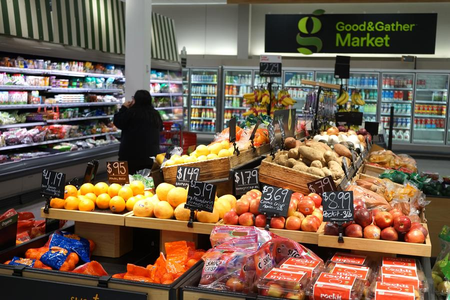
Washington, May 21 (IANS) Americans are paying more for groceries, gasoline and other everyday necessities as inflation accelerates again, with economists increasingly pointing to geopolitical conflict and energy disruptions as key drivers of rising living costs.
The latest data from the US Bureau of Labor Statistics (BLS) show the Consumer Price Index, a broad measure of inflation, rose 3.8 per cent over the 12 months ending in April, the fastest annual rate since 2023.
Monthly inflation increased 0.6 per cent in April, while energy prices climbed sharply and grocery costs continued to rise, leading to consumer dissatisfaction, reports Xinhua news agency.
“Everything costs more now,” Maxi Baker, a Glendale resident and mother of two, told Xinhua, echoing growing consumer concerns over rising prices for almost everything. “Food, gas, clothes, rent, you name it, it’s going up.”
Economists say one of the biggest contributors to inflation has been surging energy costs linked to conflict in the Middle East and disruptions to oil shipments through the Strait of Hormuz, one of the world’s most important energy corridors.
The energy index increased 17.9 per cent for the 12 months ending April, while gasoline prices jumped 28.4 per cent, said the BLS, noting that energy accounted for over 40 per cent of April’s monthly inflation increase.
Average gasoline prices nationally have risen above 4.50 US dollars per gallon, according to the American Automobile Association.
Higher fuel prices ripple through the economy because transportation costs affect nearly every consumer product, from groceries to shipping and air travel.
Energy inflation acts like a tax on consumers, economists have long argued. When trucking costs rise, supermarkets and retailers often pass those increases on to customers.
Food prices have also become a pressure point.
The BLS reported that the index for food at home, which measures inflation for groceries, rose 0.7 per cent in April alone. Beef, coffee, fruits and vegetables recorded noticeable increases, according to inflation analyses.
For lower- and middle-income households, groceries consume a larger share of income, so even modest increases can significantly alter budgets and force cutbacks in family shopping habits.
Meanwhile, shelter costs, another major inflation component, continued climbing. The index for owners’ equivalent rent and the index for rent both increased 0.5 per cent in April, according to the BLS.
Perhaps most concerning for consumers is that inflation has begun to overtake earnings growth.
Real average hourly earnings for all employees fell 0.5 per cent from March to April and were down 0.3 per cent compared with April 2025, according to the BLS. That means purchasing power is shrinking despite nominal pay increases.
When wages fail to keep pace with prices, households often compensate by reducing discretionary spending, increasing credit card use or postponing major purchases.
“Everything’s more expensive, so money doesn’t stretch as far. I don’t know how I’m going to make up the shortfall,” said Denise Cohn, a retail shop employee in Los Angeles.
–IANS
sd/