
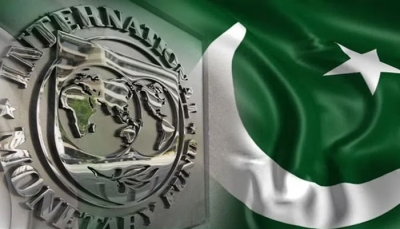
New Delhi, Feb 22 (IANS) While the IMF loan has bailed out Pakistan from the brink of economic collapse for the time being, weak growth and fractious domestic politics suggest that the current period of stability may prove difficult to sustain over the medium term, according to an article.
In September 2024, the IMF approved a $7bn Extended Fund Facility aimed at restoring macroeconomic stability and rebuilding policy credibility. To date, Pakistan has received roughly $3.3bn under the programme. A further $3.7bn is now scheduled for disbursement in semi-annual tranches till the end of 2027, subject to successful reviews and continued compliance with IMF conditions. The structure is intended to entrench policy discipline, with IMF approval serving in practice as a signal for Gulf region partners to extend additional financial support, according to an article in IntelliNews.
In return, the authorities committed to a decisive shift towards orthodox macroeconomic management, which includes fiscal consolidation and monetary policy tightening.
The cost has been subdued growth, however. Real GDP expanded by just 2.4 per cent in 2024 and is estimated to have grown by about 3.5 per cent in 2025. With population growth running at close to 2 per cent per annum, gains in per-capita income have been limited, offering scant improvement in living standards, the article pointed out.
That weak backdrop complicates the government’s reform agenda. Opposition to IMF-backed policies, widely characterised by critics as anti-growth, has been building. Planned increases in electricity tariffs, designed to tackle structural imbalances in the energy sector, could add around 1 per cent to inflation in the near term and risk further eroding public support for the programme.
Furthermore, Pakistan’s long history with the IMF also offers little reassurance. This is now its 24th programme since 1958, more than any other country. The pattern has often been one of compliance during acute crises followed by policy slippage once pressures ease, only for similar imbalances to re-emerge a few years later. While previous arrangements have typically restored short-term stability, they have seldom delivered durable structural reform or a marked improvement in long-term growth prospects, the article observes.
As such, some political voices have already called for an early exit from the current programme. Such demands are unlikely to gain significant traction for now, at least as Pakistan’s external financing needs remain considerable and, with the next general election not due until 2029, the government retains a degree of political space to maintain policy discipline.
Subsequently, the programme will run until the end of 2027, and while IMF oversight remains in place, adherence to orthodox fiscal and monetary settings is likely. Once conditionality expires, however, the temptation to loosen policy or delay politically costly reforms could resurface as it has in the past, particularly if growth continues to disappoint as the election cycle draws nearer, the article observed.
–IANS
sps/vd