
Washington, Feb 28 (IANS) US banking regulators defended sweeping efforts to recalibrate capital rules and formalise crypto oversight as senators clashed over Basel reforms, political “debanking” and consumer safeguards in a hearing with global implications for capital flows and digital finance.
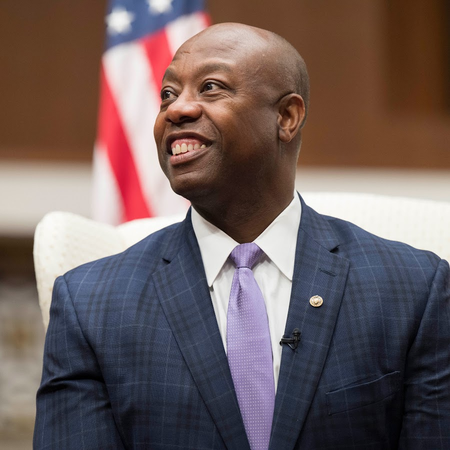
Senate Banking, Housing, and Urban Affairs Committee Chairman Tim Scott said regulation must focus strictly on financial risk.
“No law — no lawful business in Anderson, South Carolina or anywhere in America should be denied access to banking services because of shifting political winds or subjective considerations like reputation risk,” he said.
Scott backed efforts to revisit the “Biden-era proposals like Basel III Endgame” and urged regulators to ensure capital rules “reflect real world risk without unnecessarily holding back lending”.
Ranking Member Elizabeth Warren warned that easing capital requirements could increase systemic risk.
“Ordinary Americans are squeezed hard, but boy, it is a good time to be a Wall Street CEO,” Warren said, adding that strong capital cushions reduce “the likelihood of financial crashes and taxpayer bailouts”.
Vice Chair for Supervision Michelle Bowman said the banking sector remains stable.
“The banking system remains sound and resilient,” she told lawmakers. “Banks continue to report strong capital ratios and significant liquidity buffers, which position them well to support economic growth.”
Bowman confirmed that regulators are working with the FDIC and OCC on a revised Basel proposal, adding that supervision must focus on “material risks to bank operations and to the stability of the broader financial system”.
She also addressed criticism over politically motivated account closures.
“We have also ended the practice of using reputational risk in our supervisory programs,” Bowman said. “Banks must be free to make their own risk-based decisions to serve individuals and lawful businesses without interference.”
FDIC Chairman Travis Hill said the agency is reforming supervision to be “less process driven and more focused on core financial risks”.
He noted that the FDIC had rescinded a “Biden-era prior notification requirement for digital asset activities” and is working to implement the GENIUS Act, which establishes a regulatory framework for stablecoin issuers.
OCC Comptroller Jonathan Gould defended the agency’s chartering process amid pointed Democratic questioning over a pending crypto-related application.
“We will process that application as we process all applications,” Gould said, adding that the OCC would follow “established procedures”.
National Credit Union Administration Chairman Kyle Hauptman said credit unions remain “safe and sound” and highlighted a new policy codifying “no regulation by enforcement”.
Lawmakers also debated direct access to Federal Reserve payment systems. Bowman acknowledged that if a “bad actor were granted direct access” it “could increase risks related to fraud, illicit finance or operational disruption”.
On stablecoins and deposit stability, regulators said they had not seen “massive deposit flight” since the passage of digital asset legislation.
The hearing reflected a broader US policy divide over balancing financial stability with innovation. For global markets, including India, changes to US capital standards and digital asset oversight could influence cross-border lending, fintech investment and dollar liquidity.
Basel III reforms were agreed after the 2008 financial crisis. They were designed to make banks hold more capital and stronger liquidity buffers. The aim was to reduce the risk of another global crash. US implementation has faced political resistance. Community banks say tougher rules limit lending. Democrats argue that easing them could raise systemic risks.
The GENIUS Act is Washington’s latest step to regulate stablecoins. It seeks to bring digital dollar tokens under clear federal oversight.
–IANS
lkj/rs