

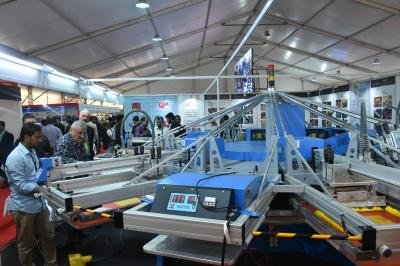
New Delhi, Jan 24 (IANS) The Bangladesh Textile Mills Association (BTMA) announcing an indefinite shutdown of mills, along with dispute over duty-free yarn imports between textile millers and garment exporters, has raised alarm over Readymade garments (RMG) exports in the neighbouring country ahead of the national election scheduled for February 12, according to a report.
RMG exports account for about 85 per cent of Bangladesh’s total export earnings. More than 10 lakh workers employed in the sector could face uncertainty over wages and benefits, potentially triggering labour unrest.
According to reports, the move by the Bangladesh Ministry of Commerce to impose duties on the import of cotton yarn from India and other countries has once again created instability in the country’s RMG sector.
Economists warn that large-scale closures in the textile sector could add further strain to an economy already grappling with multiple challenges.
Commerce Secretary Mahbubur Rahman told Dhaka-based The Business Standard that the government recognises the seriousness of the crisis and is exploring possible options. “The textile industry is facing problems, no doubt. Something has to be done. We are thinking about what alternatives are possible,” he was quoted as saying.
Textile mill owners have threatened to shut down factories from February 1, citing what they describe as prolonged government inaction in protecting the $23 billion textile industry.
The announcement comes at a sensitive time, less than two weeks before the national election scheduled for 12 February.
BTMA President Showkat Aziz Russell said “This is not a threat. The sector will shut down anyway. This is a crisis, a national crisis.” He criticised policymaking, saying, “In any situation, India can make a decision within a few hours, whereas our government cannot do so even in months.”
Russell was further quoted as saying that under the open costing method, any increase in production costs is ultimately passed on to buyers.
“However, if domestic textile mills collapse, garment manufacturers will be forced to import yarn from India at higher prices in the long run, eroding competitiveness,” he added.
“A halt in yarn production would disrupt the garments supply chain, while difficulties in repaying bank loans could push non-performing loans (NPLs even higher at a time when banks are already under pressure, with NPLs estimated at around 35 per cent,” said the report.
–IANS
na/