
Johannesburg, Aug 24 (IANS) South Africa’s ruling African National Congress (ANC) pledged to improve local governance and service delivery as it launched its manifesto for the country’s November 4 local government elections.
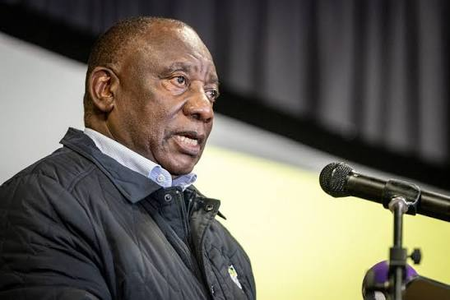
ANC President Cyril Ramaphosa on Sunday (local time) unveiled the party’s 2026 local government election manifesto in Diepsloot, north of Johannesburg, saying that the ANC would focus on improving the provision of water, electricity and other basic services, strengthening local governance, promoting economic growth and job creation, building safer communities and fighting corruption.
He said the party had consulted people across the country in drafting the manifesto, with input from the Congress of South African Trade Unions, the South African National Civic Organization, lawyers’ organisations and residents of informal settlements.
Ramaphosa said the ANC would continue to improve infrastructure to ensure reliable electricity and water supplies and make public spaces safer.
According to the president, the party had put in place an integrity commission and a step-aside rule, under which members criminally charged in court with serious crimes, including corruption, are required to relinquish their positions until their cases are concluded, reports Xinhua news agency.
The ANC would seek to turn municipalities into “engines of development” by attracting investment and creating jobs, while national and provincial governments would provide financial support to small businesses to help them start or sustain their operations, Ramaphosa said.
Ramaphosa also stressed the importance of safety for business development, saying law enforcement agencies would work with Community Policing Forums to fight crime in streets, communities and on public transport.
Local authorities would also help enforce immigration laws, and the government would employ 10,000 labour inspectors to visit companies to ensure compliance and verify that employees were legally in the country, he added.
–IANS
sd/