

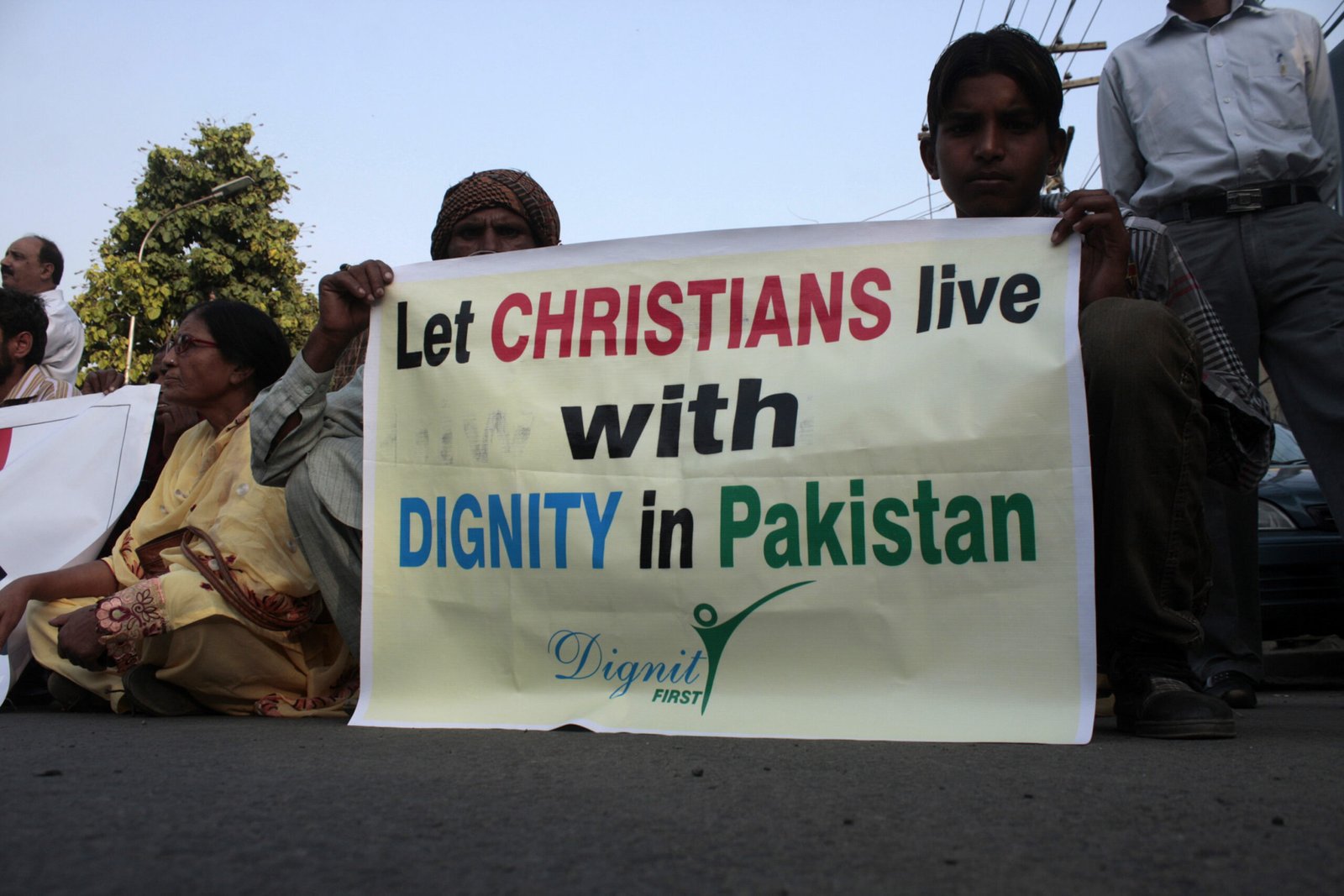
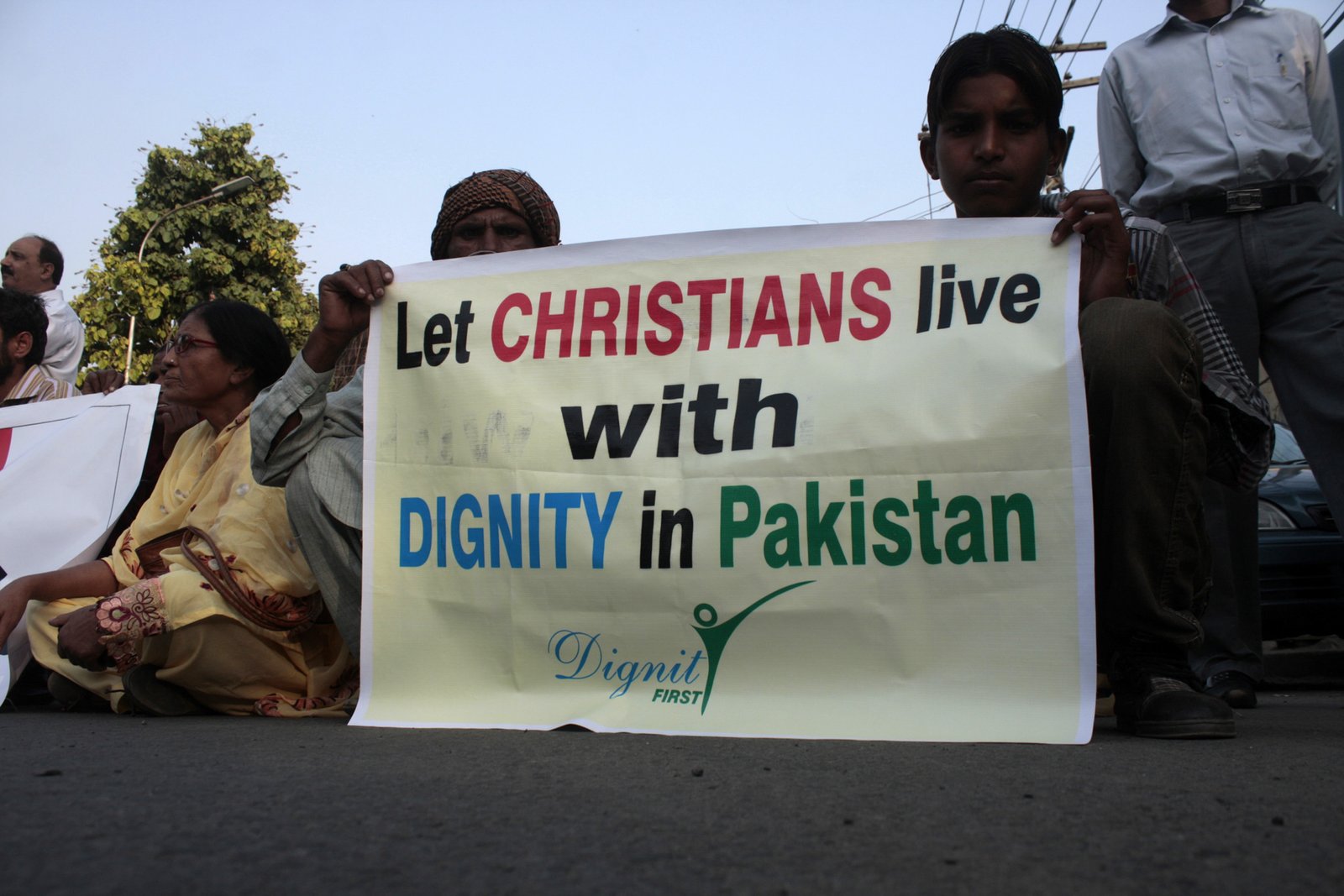
Islamabad, March 19 (IANS) A Christian man in Pakistan, accused under controversial blasphemy laws of the country, is awaiting a possible death sentence. The case has gained attention as it involves the so-called “blasphemy business group”, an organised network accused of making false blasphemy accusations to trap people for blackmail and extortion, a report has stated.
The court has completed hearings related to false blasphemy charges against Christian man Ishtiaq Saleem while proceedings continue for his co-accused, Muhammad Umair, implying that the court is likely to announce a verdict when those hearings complete.
According to US-based Christian legal advocacy group Alliance Defending Freedom (ADF) International, 34-year-old Christian sanitation worker Saleem was arrested in November 2022 after he was accused of downloading allegedly blasphemous content on social media, an accusation denied by him.
If convicted under blasphemy laws in Pakistan, Saleem could face a death sentence.
“Ishtiaq committed no wrong and was simply living his life as a Christian in Pakistan when he was arrested. He has now spent three years behind bars, separated from his family. No one should face the threat of death or years in prison based on fabricated accusations of blasphemy. Cases like this illustrate the immense pressure faced by Christians and religious minorities in Pakistan,” stated Tehmina Arora, Director of Advocacy, Asia, at ADF International.
“Blasphemy laws create a culture of violence and discrimination and must be repealed. Ishtiaq must be freed, and Pakistan must move toward a culture that respects and protects religious freedom for all,” she added.
Saleem, who was 31 years old at the time of his arrest in 2022, has suffered in prison while the case proceedings continued. The lower courts and Supreme Court of Pakistan has rejected his bail applications. Earlier, the Supreme Court ordered the trial court to expedite proceedings, which are currently taking place before a special court in Islamabad.
“The case has drawn attention because it involves the so-called Blasphemy Business Group—an organised network accused of fabricating blasphemy accusations to entrap individuals for the purpose of blackmail and extortion. According to a report by Pakistan’s National Commission on Human Rights, more than 450 people have been targeted through similar schemes, contributing to a dramatic surge in blasphemy accusations in recent years,” ADF International stated.
According to the legal advocacy group, the organised network includes lawyers and individuals who reportedly work in coordination with the cybercrime unit of the Federal Investigation Agency to bring these construed cases before the courts. In Saleem’s case, the lead prosecution counsel, Rao Abdur Rahim, is the head of the Group, raising serious concerns about the fairness of the proceedings,” it added.
–IANS
akl/as