
Bhopal, March 20 (IANS) The Madhya Pradesh government has constituted the 6th State Finance Commission. The Finance Commission will strengthen the fiscal framework of local bodies, including urban and gram-panchayats across the state.
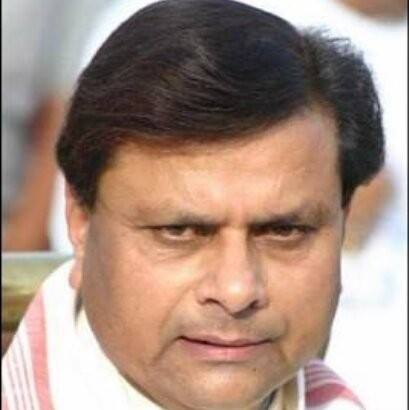
Former minister Jaibhan Singh Pawaiya has been appointed as the Chairman of the Commission, while retired IAS officer K.K. Singh will serve as a member, and Virendra Kumar has been appointed as the Member Secretary.
According to a notification issued late on Thursday night, the Commission will play a crucial role in recommending how financial resources are to be distributed between the state government and local institutions such as gram-panchayatas and urban civic bodies.
The Commission’s tenure will be until October 31 this year but it may be extended if required, according to the notification.
The Commission will review the financial position of municipalities and panchayats and will recommend the distribution of the state’s taxes, duties, tolls, and fees between panchayats and municipalities.
Additionally, it will suggest measures to improve the financial condition of local bodies. The Commission will submit its recommendations to the Governor by October 31 for the financial year beginning April 1.
The notification also mentioned that the other members of the Commission shall be appointed separately.
The Commission has been tasked with reviewing the financial position of Panchayats and Urban Local Bodies (ULBs), recommending the distribution of taxes, duties, tolls, and fees between the state and local bodies and suggesting measures to improve the financial autonomy of local institutions.
With growing demands on infrastructure and civic services, the commission’s role becomes even more critical in ensuring equitable resource allocation.
The constitution of the 6th State Finance Commission marks a significant step by the Madhya Pradesh government towards empowering local governance. Its recommendations will determine how effectively financial resources reach villages and cities, ultimately shaping the state’s development trajectory.
The Commission’s recommendations on funding for local development projects, delivery of essential services such as water supply, sanitation, roads, and healthcare, strengthening grassroots governance in both rural and urban areas will be crucial.
It will also make recommendations for reforms for better fiscal management and governance at the grassroots level.
–IANS
pd/rad