
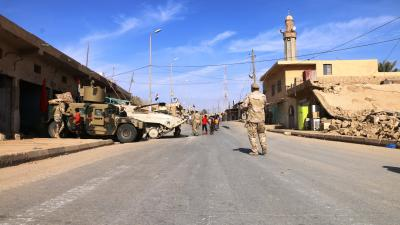
Baghdad, Sep 13 (IANS) Iraq announced on Sunday a phased reopening of three major border crossings with neighbouring Iran, following administrative and technical reviews to enhance security and streamline border movement.
According to a statement by the Security Media Cell (SMC), affiliated with the Iraqi Joint Operations Command, the decision was made under the directives of Iraqi Prime Minister Ali al-Zaidi to upgrade organisational and technical infrastructure at the Shalamcheh, Mandali, and al-Sheeb border crossings, Xinhua News Agency reported.
Under the schedule, passenger travel through the al-Sheeb and Shalamcheh border crossings resumed at 6 am on Sunday, while commercial trade activities at Shalamcheh will resume on Monday, followed by Mandali on Tuesday and al-Sheeb on Thursday, the statement said.
The SMC emphasised that trade and passenger movement with Iran at the Zurbatiyah and al-Munthiriya crossings have remained unaffected and continue to operate around the clock.
On Saturday, Iraqi security authorities said that they had initiated administrative and security reorganisation operations at several border crossings, necessitating their closure, to investigate security breaches.
The closures came after Al-Zaidi dismissed the Maysan Operations Commander on Saturday after authorities confirmed attacks targeting Saudi Arabia had been launched from a site in Maysan province in southern Iraq.
Al-Zaidi also approved Iran’s request to conduct a joint investigation to find drone launch platforms near the Iraq-Iran border, Sabah al-Numan, Spokesman for the Commander-in-Chief of the Iraqi forces, said on Saturday.
The Saudi Foreign Ministry said Friday that its East-West Pipeline was attacked by several drones launched from Iraq, causing injuries and damage.
The ministry noted that at the request of the Iraqi prime minister, the kingdom had refrained from responding at this stage.
Saudi Arabia has invested heavily in the East-West Pipeline, which carries crude oil from its eastern fields to the Red Sea port of Yanbu, bypassing the Strait of Hormuz.
–IANS
ksk/