
Tapi, Feb 13 (IANS) Chikhalvav, a tribal village in Vyara taluka of Tapi district in Gujarat, is setting a benchmark in women’s empowerment, with all eight members of its panchayat, including the sarpanch, being women.
For the past four years, the village’s administration, from local governance to education and healthcare, has been entirely managed by women, who make decisions collectively to ensure the benefits of government schemes reach every household.
Rakshaben Gamit, Sarpanch of Chikhalvav, told IANS, “In every ward of this village, women are heads. Women here are making administrative decisions. In the anganwadi and health care departments, women are handling and overseeing operations.”
The village’s primary school, Anganwadi centre, ASHA workers, the health centre in charge, and even the village accountant are all women.
With a population of around 1,700, most villagers depend on farming and animal husbandry for their livelihood. Despite this, the village has a high literacy rate and strong participation in girls’ education.
Hetal Patel, Head Teacher of the primary school, said, “In our school, girls always present their leadership qualities and viewpoints. In events, girls of the village also cooperate. We always work together and strive to take our village forward with unity.”
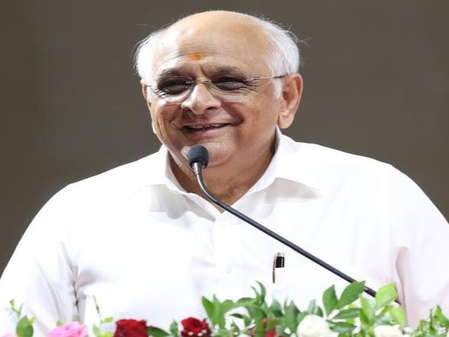
Under the leadership of Chief Minister Bhupendra Patel, Chikhalvav has been recognised as a model of women-led development and has been declared a ‘Samras Gram Panchayat’ twice.
A Samras Gram Panchayat is one where the sarpanch and all ward members are chosen by consensus rather than formal polling, a model promoted by the Gujarat government to encourage harmony in local governance.
Villages under this scheme receive incentive grants and additional development funds. In recent years, the state allocated Rs 35 crore to 761 Samras panchayats, encouraging smooth administration and community participation.
The Samras Gram Panchayat initiative has been credited with promoting unity and speeding up development by avoiding contested elections.
According to government data, more than 15,500 panchayats in Gujarat have adopted the Samras model over the past two decades, including 828 women-led panchayats.
The visible leadership of women in Chikhalvav has contributed to improved community engagement and encouraged families to prioritise girls’ education.
Officials note that such initiatives align with broader state programmes, including the Balika Panchayat initiative, which aims to nurture leadership skills among adolescent girls in over 13,000 gram panchayats across the state.
Local residents believe Chikhalvav’s example offers a template for other rural communities seeking inclusive governance and strengthened social development.
–IANS
mys/dan