
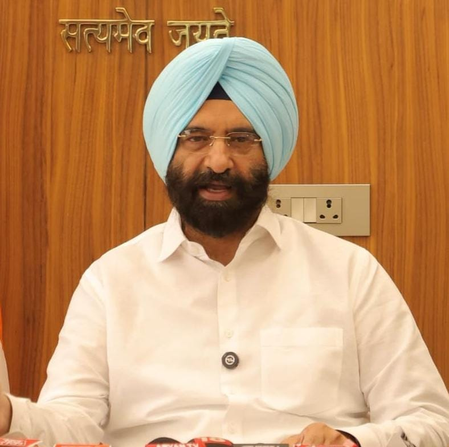
New Delhi, Jan 13 (IANS) Delhi Chief Minister Rekha Gupta has approved a landmark Carbon Credit Monetisation Framework that promises to generate tradable carbon credits and funds for environmental protection, Environment Minister Manjinder Singh Sirsa said on Tuesday.
He said the CM-led cabinet of the National Capital Territory of Delhi (GNCTD) gave the nod to implementing the Carbon Credit Monetisation Framework through the Department of Environment, Forests and Wildlife.
Work is ongoing to transform the city’s green projects into revenue-generating assets for pollution control and sustainability, he said.
The initiative represents a bold step in the Delhi government’s commitment to sustainable development and India’s net-zero ambitions.
Following successful examples from Indore (Rs 50 lakh from 1.70 lakh tonnes CO2), Meghalaya (EUR 40 per tonne for farmers), and Arunachal Pradesh (16,326 tonnes from hydro projects), Delhi will lead in carbon markets, he said.
Each verified reduction of one metric tonne of CO2 equivalent from Delhi’s climate initiatives will yield a tradable carbon credit, sellable in voluntary or compliance markets worldwide, he said.
This no-financial-liability model leverages existing green efforts across departments, Transport (EV policy and CNG/electric buses), Power (solarisation and energy efficiency), Forests (tree plantation and green cover), Delhi Jal Board (water reuse and wastewater efficiency), and Urban Development (waste management and legacy waste biomining), to unlock untapped economic value while advancing ecological goals.
Sirsa emphasised its strategic importance. “Delhi is already pioneering large-scale green transformations, from EV charging networks to Yamuna cleaning and biogas from landfills. This framework allows us to quantify these achievements, certify them under global standards like VERRA, Gold Standard, and the Indian Carbon Market, and monetise them transparently. The revenue will fuel further pollution control and climate mitigation, making Delhi a model for urban sustainability.”
–IANS
rch/uk