
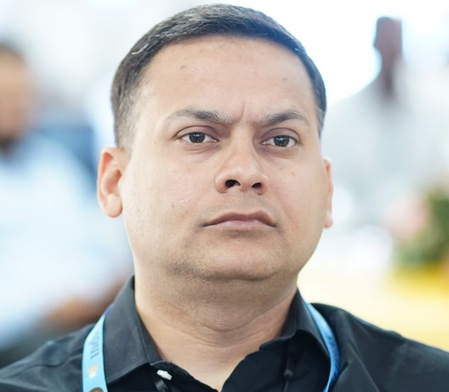
Chennai, April 12 (IANS) Highlighting the successful evacuation of Indian fishermen from Iran amid the ongoing West Asia conflict, BJP leader Amit Malviya has triggered a political debate in Tamil Nadu over the response of both the Centre and the state government.
In a post on social media, Malviya pointed to the safe return of 222 fishermen from Tamil Nadu as part of a second batch of 312 evacuees brought back from Iran. The group also included 73 individuals from Gujarat, nine from Kerala, and eight from Puducherry.
Earlier this month, 345 fishermen from Tamil Nadu had already been flown back to Chennai in a separate evacuation effort. Many of these fishermen were working near Kish Island in Iran when the conflict in West Asia intensified, leaving them stranded without jobs, income, or essential resources.
Their return has brought immense relief to families across coastal districts in Tamil Nadu, where concerns had been growing over their safety.
Malviya credited Prime Minister Narendra Modi for what he described as swift and compassionate action to bring back Indian citizens from a conflict zone.
He noted that the evacuation reflects the Centre’s commitment to protecting Indian nationals abroad during crises. At the same time, his remarks raised questions about the role of the Tamil Nadu government during the six-week-long crisis.
He asked whether Chief Minister M.K. Stalin had formally sought urgent repatriation of the stranded fishermen or whether the issue had been forcefully raised in Parliament by DMK MPs.
The comments have added a political dimension to what was otherwise seen as a humanitarian operation.
Observers note that such debates are not uncommon in Tamil Nadu, where issues concerning fishermen often carry both emotional and political weight.
The discussion has also revived references to the long-standing Katchatheevu Agreement, frequently cited in political discourse around fishermen’s rights and maritime challenges.
While the safe return of the fishermen has been widely welcomed across party lines, the episode has once again highlighted how humanitarian issues can quickly evolve into political flashpoints in the state.
–IANS
aal/dpb