
Bhopal/Kochi, Oct 23 (IANS) India aims to raise its annual fish production to 30 million tonnes in the next five years, Union Fisheries Secretary Abhilaksh Likhi said on Friday, stressing that the growth must also improve the livelihoods of small-scale fishers.
He called for a nationwide outreach programme to take the proposed National Plan of Action for small-scale inland fisheries directly to fishing communities.
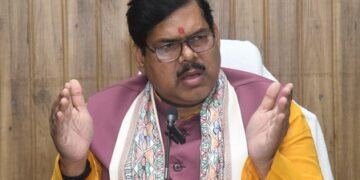
“The document must translate into practical improvements in livelihoods rather than remain confined to government offices,” Likhi said at a national workshop in Bhopal, where the development phase of India’s action plan for inland small-scale fisheries was launched.
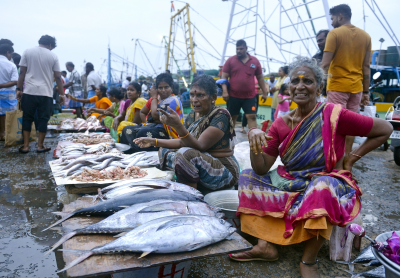
Likhi said India currently produces 19.7 million tonnes of fish annually, and inland fisheries account for about three-fourths of the total production.
Seafood exports have crossed Rs 70,000 crore.
India aims to raise this to Rs 1.25 lakh crore.
He stressed that higher production and exports must go hand in hand with protecting the livelihoods of small-scale fishers.
Likhi identified climate change and declining water quality as major challenges facing inland fisheries.
Falling oxygen levels in water bodies were also a concern, he said.
He said the proposed action plan must focus on sustainable fishing and help communities cope with climate-related challenges.
It should also strengthen value chains and improve fishers’ incomes.
India’s varied inland fisheries and fishing communities could offer useful lessons to other countries, Likhi said.
Region-specific solutions would be essential to sustainable fisheries management.
The plan is being developed by the Union Department of Fisheries in collaboration with the Bay of Bengal Programme Inter-Governmental Organisation (BOBP-IGO), under the framework of the UN Food and Agriculture Organisation.
It will cover fisheries in rivers, canals, reservoirs, lakes, floodplain wetlands, tanks and cold-water systems.
BOBP-IGO Director P. Krishnan said the plan would address fishing rights, resource management, employment, gender equality, post-harvest trade, and climate change.
A two-day national workshop in Bhopal brought together experts and stakeholders to identify priorities for the plan.
Consultations with fishing communities and other stakeholders will help shape the final document.
The plan is expected to be finalised and publicly launched next month before implementation begins.
–IANS
sg/vd