
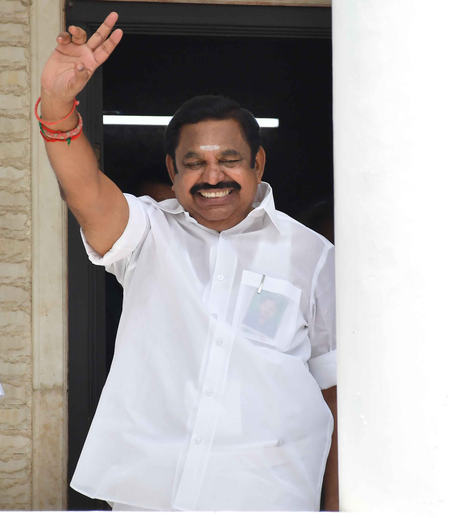
Chennai, Oct 21 (IANS) AIADMK General Secretary, Edappadi K Palaniswami, faces renewed questions over his leadership following the party’s defeats in the Madurantakam and Dharapuram Assembly bye-elections, but his control over its organisational machinery could limit efforts to mount an internal challenge.
Senior leaders S.P. Velumani and C Ve Shanmugam are reportedly seeking a leadership change amid dissatisfaction over the party’s electoral performance.
However, Palaniswami’s earlier organisational changes are believed to have strengthened his position within the General Council, the body central to any leadership contest.
The removal of dissenting functionaries from key posts has reduced their influence within the party and narrowed their ability to mobilise support.
Changes affecting their representation and voting strength have also made it harder for disgruntled leaders to translate dissatisfaction into an effective challenge.
Several functionaries associated with the Velumani faction reportedly lost organisational positions, weakening the group’s district-level networks.
Their reduced presence in the party structure has given Palaniswami an advantage as demands grow for a General Council meeting to review the bypoll setbacks.
With around 2,300 members, the General Council has emerged as the principal arena for the unfolding struggle.
Palaniswami’s supporters are believed to command a majority, potentially allowing him to withstand criticism and retain control even if a meeting is convened.
For the dissenters, a council meeting would provide an opportunity to question electoral strategy, organisational decisions and the leadership’s response to successive setbacks.
Their immediate task, however, would be to secure support beyond their existing circles and demonstrate that their concerns reflect broader sentiment.
The defeats have supplied fresh grounds for demands for accountability, but electoral disappointment alone may not alter the internal balance of power.
Any attempt to press for leadership change would require substantial backing within the council and among influential district functionaries.
Palaniswami, meanwhile, must manage discontent while responding to concerns about the AIADMK’s ability to regain electoral momentum.
His organisational strength offers protection against an immediate revolt, although it does not resolve the political questions raised by the results.
The coming weeks could test whether dissatisfied leaders can build a wider coalition or whether Palaniswami’s command of the party structure will keep the challenge contained.
For now, the balance appears to favour the general secretary, with his critics facing a considerable gap between expressing dissent and securing the numbers needed to act.
—IANS
aal/rad