

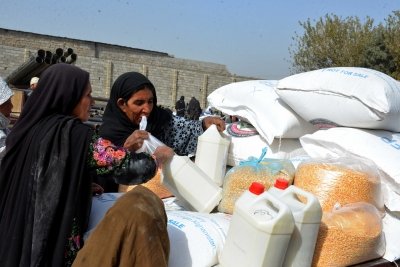
Kabul, Oct 18 (IANS) Nearly 40 per cent of Afghanistan’s population is projected to face high levels of acute food insecurity this winter, while cases of acute malnutrition are set to surge in 2027, the Food and Agriculture Organisation (FAO) and the World Food Programme (WFP) warned.
Citing the latest Integrated Food Security Phase Classification (IPC) analysis, the two UN agencies said about 19.2 million people, or 38 per cent of the population, will face high levels of acute food insecurity during the November-April lean season, up from 17.4 million projected for the same period a year earlier.
Around five million of them are expected to face emergency levels of hunger (IPC Phase 4), double the number projected for April-September 2026, with the worst conditions likely in Badakhshan, Badghis, Daykundi, Ghor, Samangan, Sar-e-Pol and rural Ghazni.
Malnutrition cases are expected to rise by nearly 10 per cent compared to 2026 to four million, a quarter of them severe and life-threatening, even as prevention and treatment services lag, leaving women and children most exposed, the agencies said.
The crisis is being driven by multiple shocks, including the forced return of more than 1.2 million Afghans from Iran and Pakistan this year, border closures and disruptions to shipping through the Strait of Hormuz that have pushed up prices of basic goods, and sharp funding shortfalls for humanitarian aid.
The agencies noted that favourable rainfall had boosted crop production in 2026, but said persistent unemployment meant many families who do not grow their own food still cannot afford a nutritious diet.
“This year’s strong harvest shows what Afghan farmers can achieve. But for a parent with no steady income, nutritious food in the market can still be out of reach for their family. The drumbeat of shock and crisis is relentless, but we know progress is possible,” said Richard Trenchard, FAO Representative in Afghanistan.
WFP Country Director in Afghanistan John Aylieff said the crisis was increasingly being defined by the widening gap between needs and funding.
“Hunger and malnutrition are tightening their grip on Afghanistan’s families, pushing more people towards the brink just as resources to respond are running short. We still have a window to act, but it is closing fast. With urgent support, families can get through the winter with dignity. Without it, many will face impossible choices no parent should have to make,” Aylieff said.
–IANS
ksk/dan