

Dehradun, Sep 3 (IANS) Following the implementation of the Uniform Civil Code (UCC) in Uttarakhand, the state Waqf Board is preparing a new and detailed Nikahnama for the Muslim community, aimed at ensuring that marriages are conducted in accordance with the provisions of the new law.
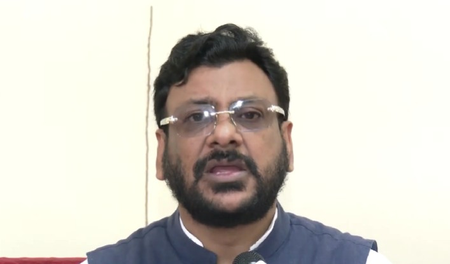
Speaking to IANS, Uttarakhand Waqf Board Chairman Shadab Shams said the primary objective of the initiative is to create awareness within the community and protect people from legal complications and offences that could arise from practices such as polygamy, triple talaq, halala and forced religious conversions.
Uttarakhand became the first state in the country to implement the UCC.
According to Shadab Shams, the implementation of the UCC has prohibited practices such as polygamy and triple talaq, while certain other practices have also been brought under the ambit of offences.
Speaking to IANS, Shams said, “Uttarakhand became the first state to implement the UCC under the leadership of Chief Minister Pushkar Singh Dhami. After the implementation of the UCC, polygamy has been banned, triple talaq has been prohibited, and practices like halala have been made offences. Keeping this in mind, the Uttarakhand Waqf Board decided in its previous board meeting to bring a new Nikahnama for the Muslim community, ensuring strict compliance with the UCC. This is aimed at protecting the Muslim community from the difficulties and offences they may face.”
The proposed Nikahnama will also contain an affidavit requiring the parties to provide complete and truthful information. Shams said legal action would be initiated if anyone provides false information or violates the provisions mentioned in the document.
“We have prepared this Nikahnama with this in mind,” Shams said, explaining the reasoning behind the inclusion of the affidavit and other safeguards.
He further said that practices such as triple talaq would not be permitted under the new provisions and that strict action would be taken against those found violating the law.
“The new Nikahnama will bring awareness in the society, and people will be able to avoid these problems. No person will be able to marry more than once now. In developed countries like America, England, Germany and France, a person lives with only one wife, and it should be the same here. All these things will be written in the Nikahnama, so that no one can cheat anyone,” Shams told IANS.
The Waqf Board chairman also said the new framework was intended to prevent situations involving religious conversion and marriage that could potentially lead to disputes or legal complications.
“We all know that many times the atmosphere in the state has deteriorated when someone has changed religion and got married. Since all mosques and madrassas come under the Waqf Board, and some Waqf properties are also under the jurisdiction of the Board, it is the responsibility of the Waqf Board to ensure that there are no irregularities and to hold accountable those who violate the rules,” he said.
Shams further explained that the Board would regulate the appointment of Qazis and Imams who conduct marriages and would ensure that Nikahs are solemnised according to the prescribed procedure.
“Only those Qazis and Imams who will be appointed by the Waqf Board will be able to conduct the Nikah. The Nikah will be conducted on this Nikahnama. There will be no Nikah on any separate document. It is a very big Nikahnama, in which detailed and correct information will have to be given.”
The Waqf Board chairman also said that people would be made aware of the legal consequences of religious conversion in connection with marriage at the time of Nikah.
“Now no girl child can be married after religious conversion. If anyone does this, legal action will be taken against him,” he said.
Shams said that couples belonging to different religions would still have the option of approaching the court for marriage, but claimed that religious conversion followed by marriage through informal arrangements would no longer be permitted under the proposed system.
“If people of two different religions want to get married, they can go to the court. It will not happen that they call someone at home and get them converted and get married. Now there will be a ban on this. It will also be beneficial that no Maulana will have to face any legal action. Therefore, they will neither do anything wrong nor will they be punished. Therefore, this new Nikahnama of Waqf will do the work of giving the right direction to the society,” he added.
–IANS
sd/dpb