
Washington, Aug 25 (IANS) A bipartisan group of US lawmakers has introduced legislation that would require social-media influencers working for foreign interests to register under the country’s foreign-agent disclosure law.
The Foreign Propaganda Disclosure Act would amend the Foreign Agents Registration Act, or FARA, to expressly include social-media influencers within the definition of a “publicity agent.”
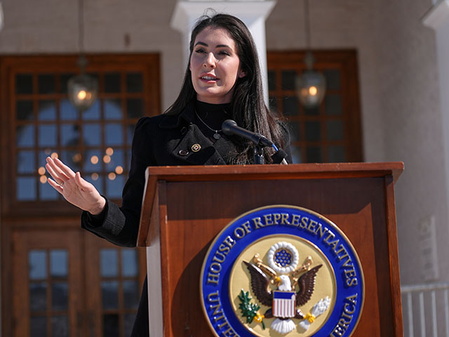
The bill was introduced by Republican Congresswoman Anna Paulina Luna of Florida, along with Democratic Representatives Vicente Gonzalez of Texas and Jared Moskowitz of Florida and Republican Derrick Van Orden of Wisconsin.
It defines a social-media influencer as a person with a monetised account on a social-media platform. Influencers acting on behalf of foreign governments or other foreign principals would be brought within FARA’s existing disclosure framework.
“There is a big difference between having an organic opinion and secretly acting on behalf of foreign interests to push propaganda to Americans,” Luna said.
“Foreign adversaries have been actively using disinformation and psychological operations to divide America, erode our national security, and undermine US foreign policy,” she said. “Americans deserve to know when the voices shaping what they see online are working on behalf of foreign interests.”
The proposal comes as lawmakers increasingly scrutinise the role of social-media personalities in shaping political debate, public opinion and attitudes towards US foreign policy.
Unlike traditional broadcasters and publishers, online influencers can reach millions of followers through personal accounts without always disclosing their financial relationships or the source of sponsored material.
The bill would not treat every monetised influencer as a foreign agent. Its registration and disclosure requirements would apply when an influencer acts on behalf of a foreign interest under circumstances covered by FARA.
Gonzalez said federal law needed to keep pace with the changing way Americans receive news and political information.
“Federal law must adapt to an ever-changing digital media landscape, especially as more Americans turn to social media for news consumption and public discourse,” he said.
“Our bill increases public transparency around paid partnerships between social media influencers and foreign governments to prevent deceptive practices that may hinder audiences from building a fully informed opinion,” Gonzalez added.
The legislation incorporates an existing federal definition of a social-media platform. It would expressly add monetised influencers to the category of publicity agents, rather than creating a separate regulatory system for online personalities.
Supporters say the change would close a transparency gap that foreign governments could exploit to influence American audiences without revealing their involvement.
“Americans should be able to know when the people shaping conversations online are acting on behalf of foreign interests,” Luna said.
“The Foreign Propaganda Disclosure Act brings foreign-backed influence operations into the light and sends a clear message that America’s public square is not for sale,” she added.
The lawmakers did not identify particular influencers or foreign governments that would be affected. The material announcing the bill also did not provide an estimate of how many online accounts could fall within its scope.
FARA was enacted in 1938 amid concern about foreign propaganda in the United States. It generally requires individuals and organisations acting at the direction or control of foreign principals in political or public-relations activities to register with the Justice Department and disclose their relationships, activities and finances.
–IANS
lkj/rs