
New Delhi, June 14 (IANS) The Athletics Federation of India (AFI) has defended its much-debated qualification standards for the Commonwealth Games 2026 after filling the country’s entire quota of 32 athletes for Glasgow.
When the benchmarks were first announced, they attracted criticism from several quarters for being significantly higher than existing national standards in some events. However, following the announcement of the final squad, AFI spokesperson and World Athletics vice-president Adille Sumariwalla said the results have vindicated the federation’s approach.
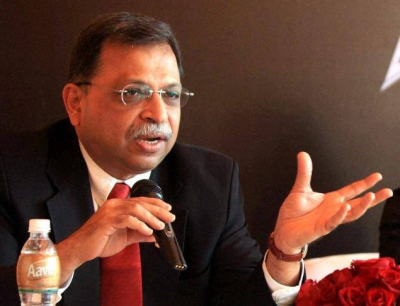
“So you can see the whole quota and we could have even taken more people. So the quota is 32, so we also kept the qualifying standards to make sure that people qualify. So you can see that therefore our qualifying standards were not high. Our qualifying standards were right,” Sumariwalla said during a press conference announcing India’s athletics team for the Commonwealth Games on Sunday.
Sumariwalla pointed to the number of athletes who eventually achieved the marks, arguing that the criticism directed at the federation earlier in the season has now been answered by performances on the field.
“I know we got criticised a lot when we set these qualifying standards. But there’s a lot of science that goes into anything that we do. We don’t do things just off the cuff,” he added.
The AFI official noted that several athletes not only met the standards but also came close to earning selection, further strengthening the federation’s belief that the benchmarks were realistic rather than excessive.
“And we got criticised, and for a long time we got hammered in the media. But you can see that 32 people have qualified. So, there were some people very, very close to qualifying. There were at least five or six people very, very close to qualifying. So that just goes to show that our science was right,” he stated.
According to Sumariwalla, the improvement also reflects the broader development structure put in place across the country in recent years.
He credited grassroots initiatives, talent identification programs, and an expanded domestic competition calendar for helping athletes consistently raise their standards.
“India is improving over the years, over the last many years. The program that we have, the kids program that we have, the National Inter-District we have, the talent search program that we have and then what we built from that into the elite program,” he mentioned.
Sumariwalla highlighted the federation’s efforts to create regular competition opportunities across regions, reducing the need for athletes to travel long distances in search of meets. He believes that frequent competition has addressed one of Indian athletics’ longstanding challenges and played a major role in the recent rise in performances.
“We have 42 events. There is an event which happened yesterday. Something is happening today in Kerala. Yesterday, something happened in Trivandrum, in Ludhiana. All over the country, there are events happening. So athletes don’t have to travel from one place to another. The people in the south could go to Trivandrum. The people in the north could go there. So every third or the fourth day, there is an event happening across the country.
“So this is giving them the competition. Our athletes used to lack a lot of competition, and now they have this opportunity to compete. And therefore, our standards were absolutely right and not as high as everybody thought it was and that we got brickbats for it,” he expressed.
–IANS
vi/