
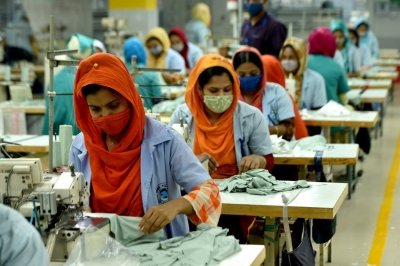
New Delhi, May 30 (IANS) Bangladesh is staring at unfinished labour reforms and if systemic change, especially higher minimum wage amid rising living costs and action on forced labour, is not achieved, the new government is likely to face major worker protests in the garment sector and beyond, a new report has warned.
The government’s response will be crucial as to whether it prioritises low costs for brands or workers’ dignity, according to the report in WWD.com.
There were fresh hopes for labour reforms in the country when an interim government, headed by Nobel Laureate Muhammad Yunus, was founded. But nothing changed during his tenure.
“In April, the election of a new Bangladesh Nationalist Party government, headed by Tarique Rahman, finally saw the passing of the Bangladesh Labor (Amendment) Bill, 2026, which has been widely touted as a historic turning point for workers’ rights. The question now remains: will we finally see systemic change in the garment industry?” said the report.
The report argues that while the Act seeks to enhance workers’ rights to organise and clarifies provisions on layoffs and wage calculations, “other fundamental labour rights, including explicit protections against forced labour and modern slavery, are not yet addressed”.
The impact of these reforms will depend on rigorous enforcement, which remains a “major hurdle given that Bangladesh lacks a strong track record of effectively implementing its labour laws,” it states.
Since some government regulatory initiatives rely on corporate consensus, brands hold an effective veto over any enforceable penalties, “leaving many concerned actors trapped in a loop of managing paperwork instead of driving real change”.
Genuine accountability requires moving away from business-as-usual compliance altogether, according to the report.
However, the shift toward transparency and worker agency is directly undermined by a second systemic issue — the unfair purchasing practices of global brands. Earlier studies have highlighted “precarious conditions and women workers’ vulnerabilities” in economic, job, food and housing security within Bangladeshi garment factories.
–IANS
na/