
Chennai, May 27 (IANS) The DMK’s internal exercise to assess the reasons behind its disappointing performance in the recent Tamil Nadu Assembly elections has triggered growing discontent within the party, with several grassroots workers alleging that the leadership is failing to hear the real causes behind the setback.
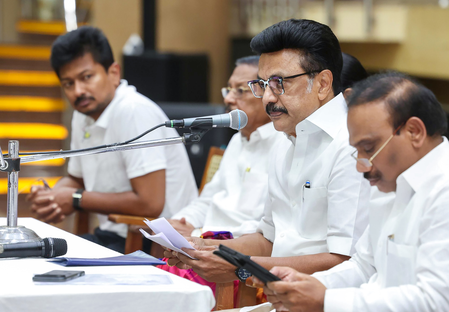
Following the party’s unexpected defeat in the Assembly polls, DMK president and former Chief Minister M.K. Stalin had constituted a “fact-finding committee” to analyse the reasons for the electoral loss and suggest measures for organisational restructuring ahead of the upcoming Lok Sabha elections.
However, party insiders claim that the committee has largely confined its consultations to district secretaries and senior office-bearers, while ordinary cadre members and local-level functionaries have been sidelined from the review process.
According to several DMK workers, the current format of the meetings has prevented honest feedback from reaching the top leadership.
Sources within the party said many grassroots workers believe that the DMK’s defeat was caused not merely by anti-incumbency, but also by the functioning of certain influential senior leaders and district secretaries who were allegedly inaccessible to party workers and acted independently during the election campaign.
Cadres reportedly feel that these concerns are not being openly discussed in the ongoing review meetings because many of the same leaders accused of contributing to the setback continue to dominate the consultations being organised by the committee.
“The people who are being blamed for the defeat are themselves controlling the discussions. In such an atmosphere, district-level workers are unable to speak freely,” a party functionary said on condition of anonymity.
The dissatisfaction comes at a crucial time for the DMK, which is attempting to rebuild its organisational structure after suffering one of its most significant electoral setbacks in recent years.
The challenge has become more serious following the exit of some key allies from the DMK-led alliance, forcing the party leadership to reassess its political strategy ahead of the 2029 Lok Sabha elections.
Political observers note that Stalin’s efforts to initiate an internal review indicate the party leadership’s recognition of deeper organisational weaknesses.
However, whether the exercise succeeds may depend on the extent to which the leadership is willing to accommodate criticism from the grassroots level rather than relying solely on feedback from senior functionaries.
—IANS
aal/rad