

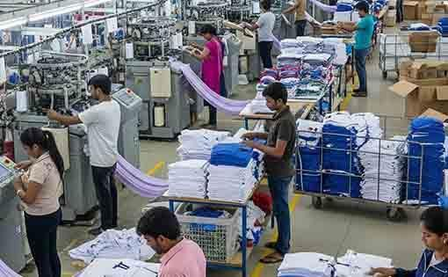
Chennai, May 27 (IANS) The textile and apparel industry of Tamil Nadu is preparing for a major export push into European and British markets as upcoming free trade agreements are expected to improve competitiveness and reduce dependence on the United States market.
Industry stakeholders believe the proposed trade agreements with the European Union and the UK could significantly expand India’s share in global textile exports by creating tariff parity with competing manufacturing hubs.
Exporters say buyers in Europe are already increasing engagement with Indian suppliers and gradually diversifying sourcing networks away from countries such as Bangladesh and Vietnam. The sector, which faced considerable pressure during last year’s tariff-related disruptions in the US market, is now actively pursuing geographical diversification as a long-term strategy to reduce risks associated with dependence on a single export destination.
Manufacturers are strengthening their presence in European markets through aggressive marketing initiatives, participation in international trade fairs, expansion of overseas showrooms and the appointment of local representatives to improve customer outreach and build stronger buyer relationships.
Industry observers said European and UK buyers have already begun placing trial orders with Indian manufacturers in anticipation of the formal implementation of the trade agreements. Several exporters are also expanding vendor networks and production partnerships to prepare for higher order volumes once the agreements become operational.
According to industry analysts, the benefits of the proposed trade deals are expected to become more visible from the 2027-28 financial year onwards, with export revenues likely to witness strong double-digit growth.
Experts believe the shift could also attract fresh long-term investments into India’s textile sector, particularly in manufacturing, processing and apparel production. However, capacity expansion remains a key challenge for the industry. While some manufacturers are increasing production capabilities within India, others are exploring asset-light expansion models by partnering with overseas factories to meet future demand without making large capital investments.
India’s textile exports to the European Union and the United Kingdom stood at nearly $10 billion during the 2024-25 financial year. Industry estimates suggest the figure could rise substantially over the next few years if the free trade agreements are implemented successfully and global sourcing patterns continue shifting in India’s favour.
–IANS
aal/dpb