
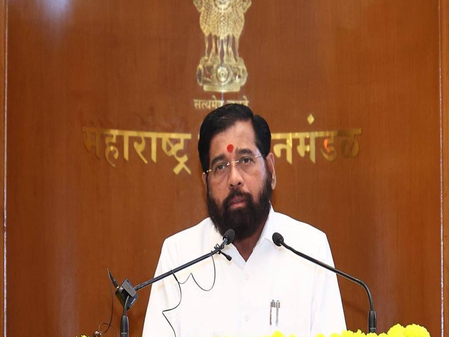
New Delhi/Mumbai, May 21 (IANS) Maharashtra Deputy Chief Minister Eknath Shinde on Thursday said that the state’s Sewage Treatment Plant (STP) model has proved highly effective and will soon be developed as an “ideal model” at the national level.
Calling it a matter of pride for Maharashtra, DCM Shinde said the state government was taking concrete steps towards implementing the concepts of “Zero Waste” and “Waste-to-Energy”.
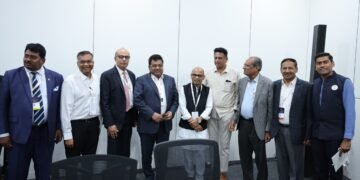
A statement issued by the Deputy Chief Minister’s Office said that Shinde represented Maharashtra at the National Review Meeting of the ‘Swachh Bharat Mission Urban 2.0’, organised by the Union Ministry of Housing and Urban Affairs.
During the meeting, DCM Shinde gave a detailed presentation on the cleanliness campaigns and urban waste management projects currently being implemented in Maharashtra.
He also assured that the key guidelines and suggestions provided by the Central Government during the meeting would be implemented effectively across the state.
Highlighting Maharashtra’s current progress and future roadmap, Shinde said, “The Swachh Bharat Mission is no longer merely a government campaign, but has transformed into a major public movement in Maharashtra.”
“Through the effective implementation of ‘Waste-to-Wealth’ initiatives, Compressed Biogas (CBG) projects and the state’s Green Policy, waste is rapidly being converted into valuable resources,” he added.
He further said that the Maharashtra government was actively promoting these initiatives through Public-Private Partnership (PPP) models in an effort to accelerate the campaign and encourage sustainable waste management practices.
Deputy CM Shinde also highlighted the broader philosophy behind the mission, stating that the ultimate objective of cleanliness initiatives was not merely to clean surroundings, but to bring about positive behavioural changes in the mindset and habits of citizens.
He said Maharashtra was witnessing encouraging results in this direction due to growing public awareness and participation.
Expressing confidence over the future of the cleanliness mission, Shinde said that active public participation, adoption of modern technology and innovative administrative practices would help the country achieve new milestones in urban sanitation and waste management.
According to the government release, Union Minister Manohar Lal Khattar emphasised during the meeting that states should adopt one another’s best practices under the ‘Swachh Survekshan’ and ‘Swachh City Pairing’ initiatives.
“Cleanliness is not just an administrative programme; it is a collective responsibility linked to public health, human dignity and the overall quality of life of citizens,” Khattar said while urging all states to intensify their cleanliness efforts.
The meeting also focused on strengthening inter-state coordination, sharing successful urban sanitation models and accelerating the implementation of sustainable waste management systems across the country.
–IANS
sj/pgh