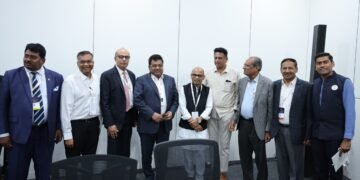

Rome/New Delhi, May 21 (IANS) Prime Minister Narendra Modi, during his meeting with Food and Agriculture Organisation (FAO) Director-General, Qu Dongyu in Rome, presented representative samples of India’s finest grains along with healthy millet bars, highlighting the country’s rich agricultural diversity and traditional food heritage.
The meeting took place during PM Modi’s State Visit to Italy, where he was also conferred the 2026 Agricola Medal — the highest honour awarded by the FAO — during a special ceremony held at the organisation’s headquarters on Wednesday.
The medal was presented by Qu Dongyu at the historic FAO Plenary Hall in recognition of Prime Minister Modi’s contribution towards food security, agricultural development and farmer welfare, according to the organisation.
As part of the exchange, PM Modi gifted curated samples of several indigenous rice varieties from across India, each reflecting the agricultural traditions and nutritional richness of different regions.
Among the gifts was Red Rice from Kerala, popularly known as Matta or Palakkadan Matta rice, an indigenous variety cultivated in the black soil regions of Palakkad.
Recognised as a GI-tagged product, the rice is known for its reddish-brown colour, coarse texture and minimal polishing process, which helps preserve its nutritional value. Rich in fibre, magnesium and Vitamin B6, the grain is considered a significant part of the farming heritage of the Western Ghats.
The Prime Minister also gifted Gobindobhog rice from West Bengal, an aromatic short-grain variety widely regarded as one of the finest rice varieties from eastern India.
Known for its small oval grains and creamy appearance, Gobindobhog rice is famous for its naturally sweet and buttery aroma. Its soft and slightly sticky texture after cooking makes it a preferred choice for traditional Bengali dishes such as Payesh and Khichuri.
Another gift was Basmati rice, often referred to as the ‘Queen of Fragrance’, originating from the fertile Indo-Gangetic plains. The premium long-grain rice is recognised globally for its slender grains, distinctive nutty aroma and fluffy texture after cooking.
The rice is generally aged before processing to enhance its fragrance and cooking qualities, while also being gluten-free and having a moderate glycaemic index.
PM Modi also presented Joha rice, a unique aromatic rice variety cultivated in Assam’s Brahmaputra Valley. Known for its small grains and naturally sweet fragrance caused by high concentrations of volatile oils, Joha rice is considered one of the region’s prized indigenous crops. Apart from its aroma and delicate buttery flavour, the rice is also valued for its antioxidant properties.
Kalanamak rice, another traditional variety gifted by the Prime Minister, originates from the Terai region of Uttar Pradesh, particularly Siddharthnagar. Commonly referred to as ‘Buddha Rice’, the ancient grain is distinguished by its black husk and aromatic, medium-slender grains. Rich in iron, zinc and antioxidants, Kalanamak rice is also recognised for having a low glycaemic index.
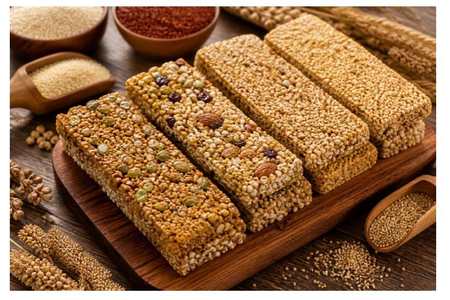
Alongside the grains, PM Modi gifted healthy millet bars, showcasing India’s growing emphasis on nutritious and climate-resilient food products.
Millets form an important part of Maharashtra’s agricultural heritage and are widely cultivated in regions such as Solapur, Ahmednagar and the Marathwada belt. Wide varieties include jowar (sorghum) and bajra (pearl millet), both well-suited to semi-arid climatic conditions and low rainfall regions.
These traditional grains are valued for their high nutritional content, including dietary fibre, protein and essential minerals. Presented in the form of millet bars, the products reflected a blend of traditional Indian agriculture with modern health-conscious food practices and convenient consumption patterns.
The gifts highlighted India’s agricultural diversity, focus on nutrition and sustainability, and its efforts to promote traditional grains and millets globally as part of a healthier and climate-resilient food ecosystem.
–IANS
sd/rad