
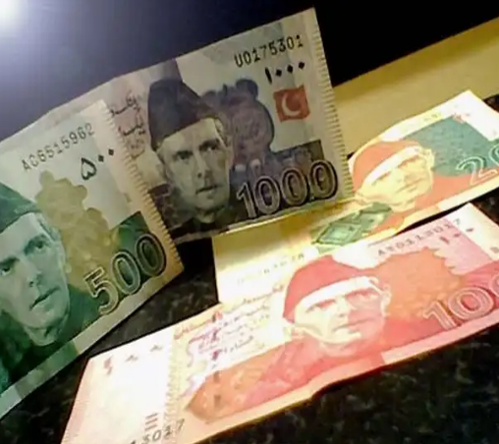
New Delhi, Feb 22 (IANS) Pakistan’s successive governments, both civil and military, have been imposing higher and regressive taxes, pushing the overwhelming majority of citizens towards an unbearably high cost of living, and adding insult to injury, the state provides nothing in terms of welfare and has total apathy towards the economically vulnerable segments of society, an article in the Pakistani media said.
Pakistan’s fiscal crisis is not simply about deficits and numbers. It is about a broken social contract—a growing disconnect between what citizens pay and what they receive. High taxation without welfare delivery has not only failed to generate effective revenue but also has eroded trust, discouraged investment, and weakened the formal economy, the article in the Lahore-based The Friday Times lamented.
Pakistan’s growth failure is often explained through familiar cliches: low productivity, weak exports, lack of innovation, or insufficient entrepreneurship. These are symptoms, not causes. The real problem lies deeper—in a state-engineered cost structure that has made doing business prohibitively expensive and structurally irrational, it said.
The article cites a recent private sector analysis reported by Nikkei Asia, which has quantified what businesses have been saying for years: operating a business in Pakistan is 34 per cent more expensive than in comparable South Asian economies. According to the study conducted by the Pakistan Business Forum (PBF), the excess cost is not incidental or cyclical. It is structural, cumulative, and policy-induced.
“With only 3.4 million effective taxpayers, a mere 4 per cent of the 85.6 million-strong workforce funding the entire state, we have declared war on the middle class. Having forced this captive minority to bridge a multi-trillion rupee deficit while the informal elite remain untouched, we have classified excellence as a taxable offence and transparency as a path to insolvency, the article states,” the article said.
The tragedy is not that Pakistan collects too little (which is a myth in terms of the tax-to-GDP ratio in our peculiar milieu), it is that it taxes irrationally—high taxes on a narrow tax base with low yield and tax expenditure of nearly Rs 5 trillion. Despite successive mini-budgets, super taxes, levies on petroleum, enhanced withholding regimes, and expanded presumptive taxation, the debt-to-tax ratio remains shocking, over 700 per cent, it noted
A microscopic segment of the population — salaried individuals, documented businesses, corporate entities, and compliant exporters — finances a bloated public apparatus. The informal economy thrives, retail and wholesale sectors remain largely undocumented, agriculture as a sector is scarcely taxed, and real estate speculation continues under preferential regimes. Instead of broadening the base, fiscal managers repeatedly resort to increasing rates on the already documented, it added.
–IANS
sps/vd